Causes of Acne in Pakistani Weather (And How to Prevent It)
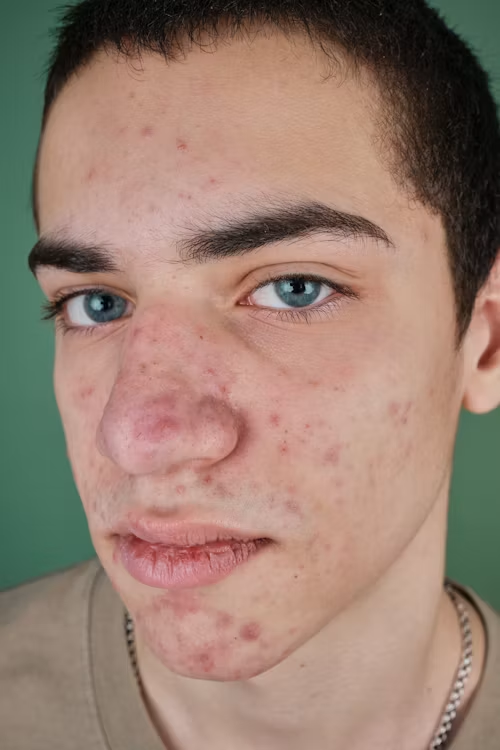
Many people struggle with breakouts due to climate conditions. Understanding the causes of acne in Pakistani weather can help you build a skincare routine that prevents frequent pimples and irritation.
Why Pakistani Weather Triggers Acne?
Pakistan’s climate includes high humidity, extreme heat, dust, and pollution. These environmental factors increase oil production and clog pores, making acne more common.
Top Causes of Acne in Pakistani Weather
1. High Humidity
Humid weather increases sweat and oil production. Excess oil mixes with dirt and blocks pores.
2. Dust & Pollution
Air pollution and dust particles settle on the skin, leading to clogged pores and inflammation.
3. Excessive Sweating
Hot temperatures cause sweating, which can trap bacteria on the skin if not cleansed properly.
4. Oily Diet
Spicy and oily foods commonly consumed may contribute to breakouts in some individuals.
5. Improper Skincare Routine
Using heavy creams in hot weather or skipping cleansing can worsen acne.
How to Prevent Acne in Humid Weather
1. Cleanse Twice Daily
Use a mild oil-control cleanser like Ranis Face Wash to remove sweat and excess oil.
2. Weekly Deep Cleansing
Use a treatment like Rani’s Acne Facial Kit to deeply cleanse pores.
3. Use Targeted Acne Care
Apply Ranis Acne Pack on active breakouts.
4. Choose Lightweight Moisturizers
Even oily skin needs hydration. Use light herbal lotions that do not clog pores.
5. Maintain Hygiene
- Wash pillow covers weekly
- Clean makeup tools regularly
- Avoid touching face frequently
When to Consult a Dermatologist?
If acne becomes severe or leaves scars, consult a professional. According to the American Academy of Dermatology, persistent acne may require medical guidance.
The main causes of acne in Pakistani weather include humidity, pollution, sweat, and improper skincare. By adjusting your routine according to climate conditions, you can reduce breakouts and maintain clearer skin.
How Humidity Increases Oil Production
High humidity levels in Pakistani cities like Karachi and Lahore can increase sweat and oil production. When excess oil mixes with dust and bacteria, pores become clogged, leading to breakouts.
Impact of Pollution on Acne
Air pollution particles settle on the skin surface and mix with natural oils. Without proper cleansing, this buildup can trigger inflammation and pimples.
Best Skincare Adjustments for Pakistani Climate
- Cleanse twice daily with a gentle face wash.
- Use oil‑control products during humid months.
- Avoid heavy creams in hot weather.
- Apply sunscreen daily.
Hydration Is Still Important
Many people skip moisturizer in summer, thinking it causes more oil. However, lightweight hydration helps balance sebum production and prevents over-drying.
Diet and Environmental Triggers
Spicy food, sugary drinks, and dehydration can worsen acne during hot weather. Drinking plenty of water supports healthier skin.
Prevention Tips
- Shower after excessive sweating
- Change pillow covers regularly
- Use non-comedogenic skincare products
- Avoid touching your face frequently
Final Advice
The causes of acne in Pakistani weather are strongly linked to humidity, pollution, and improper skincare habits. By adjusting your routine according to seasonal conditions, you can significantly reduce breakouts and maintain clearer skin.
To manage acne effectively, follow our complete guide on <a href="https://ranis.pk/best-acne-treatment-in-pakistan/">Best Acne Treatment in Pakistan</a> for a structured skincare routine and recommended product options.Frequently Asked Questions
1. Why does acne increase in summer in Pakistan?
High humidity and sweating increase oil production, which clogs pores.
2. Can pollution cause acne?
Yes, pollution particles mix with oil and may trigger breakouts.
3. How often should I wash my face in humid weather?
Twice daily cleansing is usually recommended.
Understanding the causes of acne in Pakistani weather allows you to adjust your skincare routine according to seasonal changes. With consistent care and proper cleansing, you can maintain healthier and clearer skin throughout the year.
Consistency and proper hygiene remain the key factors for acne prevention.